- Ukuleles and guitaleles
-
Guitars and Basses
-
Ukuleles and guitaleles
- Acoustic Guitars
- Classical Guitar
- Electric Guitars
- Bass Guitars
- Fender Custom Shop
- Acoustic Amplifiers
-
Electric Guitar Amplifiers
-
Bass Guitar Amplifiers
- Battery powered amplifiers
-
Amplifier Parts and Accessories
-
Guitar & Bass Effects
-
Guitar Strings
-
Plectrums
-
Guitar Accessories
-
Guitar Cables
- Wireless Guitar System
-
Guitar Parts & Tools
-
Bags and Cases
-
Gift ideas
- Fender Akcija
-
Ukuleles and guitaleles
- Keys
- Drums and percussion
- String Instruments
- Wind Instruments
-
Studio
- Studio Bundles
-
Studio Monitors
-
Audio Interface
-
MIDI Devices
- Preamplifiers
-
Recording
-
Studio Equipment Accessories
-
Signal processors and effects
-
Acoustic Elements
- Misc. Studio Gear
- Software
- Drum Machines
- Sound Modules
- Synthesizers
- Studio Headphones
- Studio Microphones
- Digital Mixing Desk
- Analogue Mixing Desk
- Kontroleriai
- Helix Stadium family
- PA
- Lighting
- DJ
-
Microphones
- Large diaphragm condenser microphones
- Small diaphragm condenser microphones
- Ribbon microphones
- USB Microphones
- Microphone Components
- Vocal Microphones
-
Instrument Microphones
- Android & iOS microphones
- Reporter Microphones
-
Installation Microphones
-
Wireless Microphones
-
Microphone Accessories
- Microphone Stands
- Microphones sets
- Headsets
- Lapel microphones
- Stereo microphones
- Video microphones
- Boundary microphones
- Measurement Microphones
- Microphone desk stands
- Desk arm stands
- Microphone signal cables
- Boom poles for microphones
- Shotgun Microphones
- Headphones
- Cables
- Accessories
- SALE

Bass guitar strings differ quite a bit from standard guitar strings, as they are designed to produce the low frequencies that define the bass guitar's sound. The choice of strings plays a big role in the tone, playability, and feel of the instrument, so here’s what you need to know about bass guitar strings:
1. Materials:
-
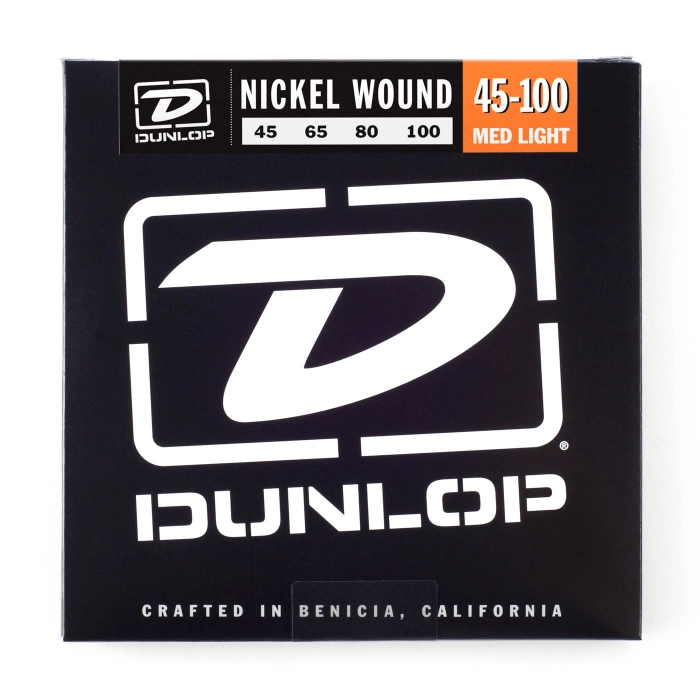
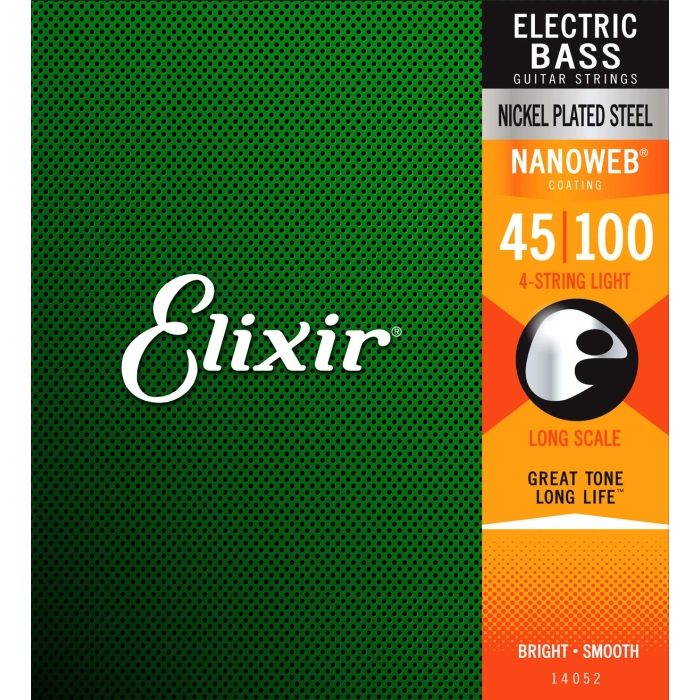
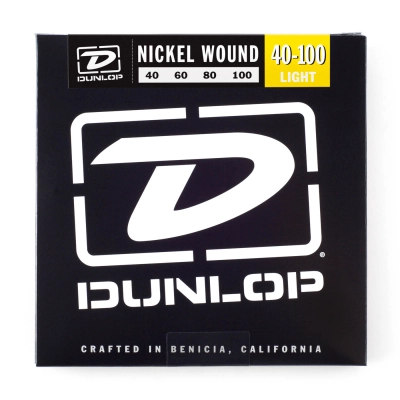
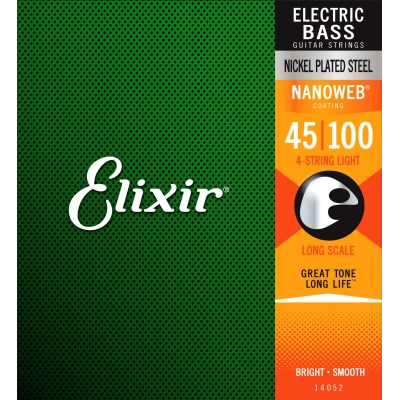
Nickel-Plated Steel: These are the most common and versatile bass guitar strings. They offer a balanced tone that is bright but not overly harsh. They are durable and have a smooth feel, making them a popular choice for many styles of music.
-
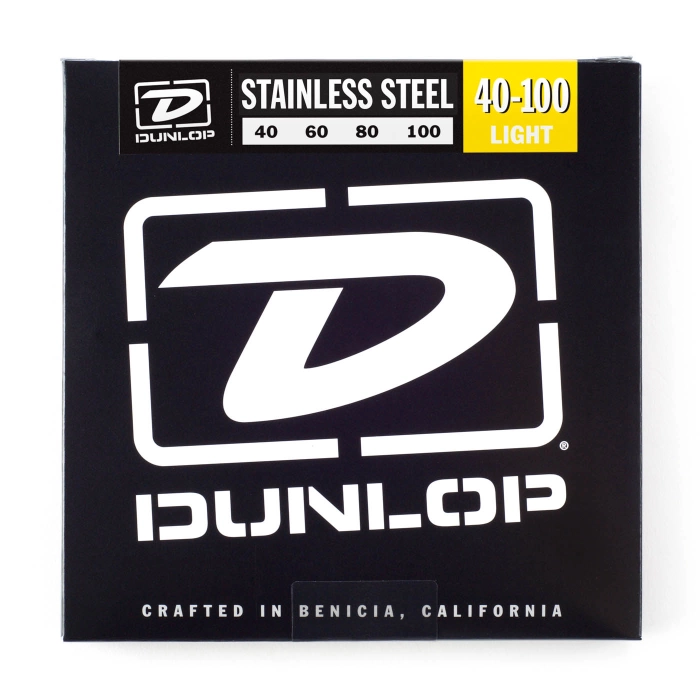
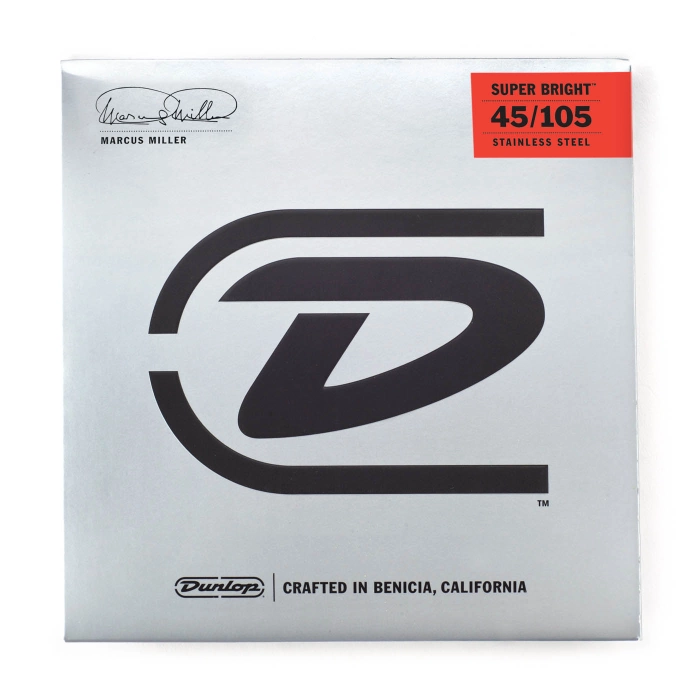
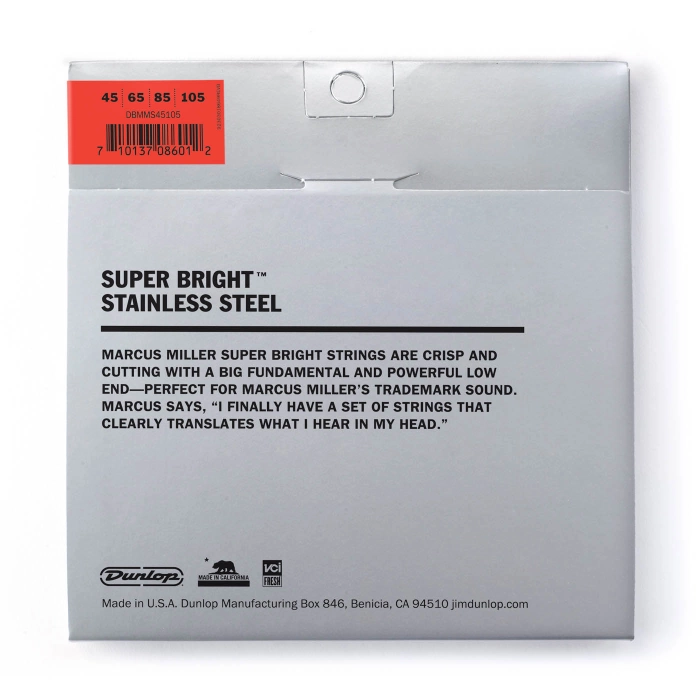
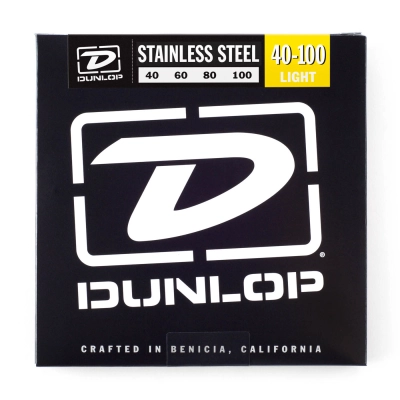
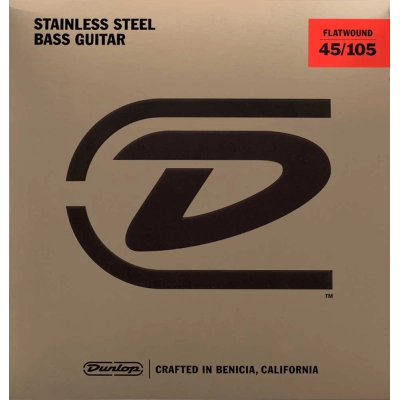
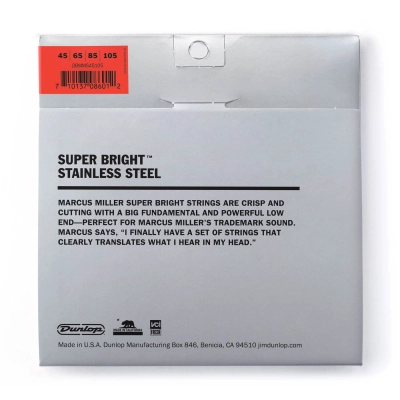
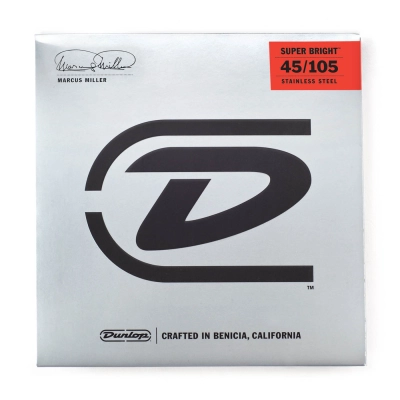
Stainless Steel: These strings are known for their bright, punchy sound. They are often used in rock, metal, and slap bass playing, as they produce a sharp and cutting tone. They can be a little rougher on the fingers and tend to wear out frets faster.
-
Pure Nickel: These strings provide a warmer, vintage sound with smoother highs. They’re ideal for players looking for a more mellow tone, common in genres like jazz and classic rock.
-
Coated Strings: Coated bass strings have a polymer coating that helps protect against dirt, moisture, and corrosion. They last longer and feel smoother, but they can have a slightly muted tone. Players looking for extended string life may prefer these.
-
Flatwound vs. Roundwound:
- Roundwound Strings: These have a more modern, bright sound with a bit of a rougher feel due to the winding process, which is made by wrapping wire around the core in a round shape. They provide a more "poppy" and vibrant tone, which is popular in rock, funk, and pop.
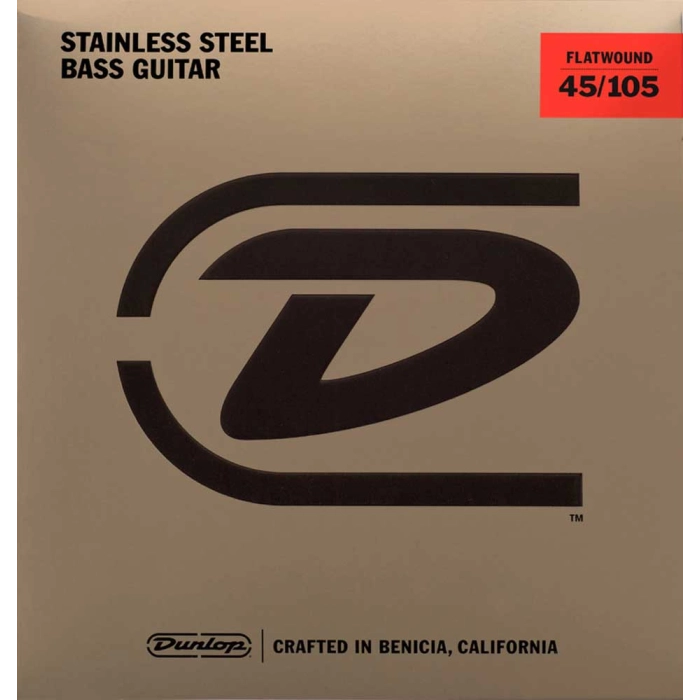
- Flatwound Strings: These have a smoother surface since the winding wire is flattened. They produce a warmer, more subdued tone, often used in jazz, blues, and classic rock. They tend to have less finger noise and are less bright compared to roundwound strings.
2. String Gauge (Thickness):
-
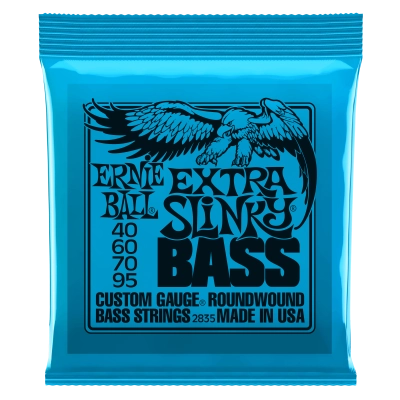
Light Gauge: Light gauge bass strings are thinner and easier to play. They require less finger strength and are great for beginners or players who want a lighter touch. They also provide a brighter, more articulate sound.
-
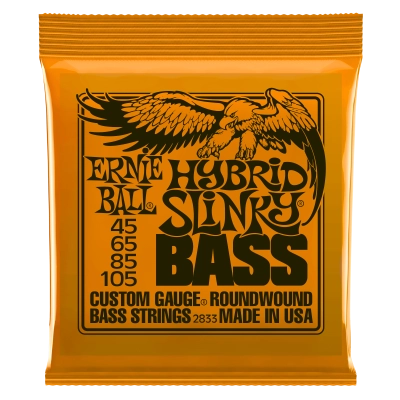
Medium Gauge: These strings offer a balance between playability and tone. Medium gauge strings provide a solid, clear sound with a bit of warmth and punch. They are a good choice for most players, offering versatility for various styles.
-
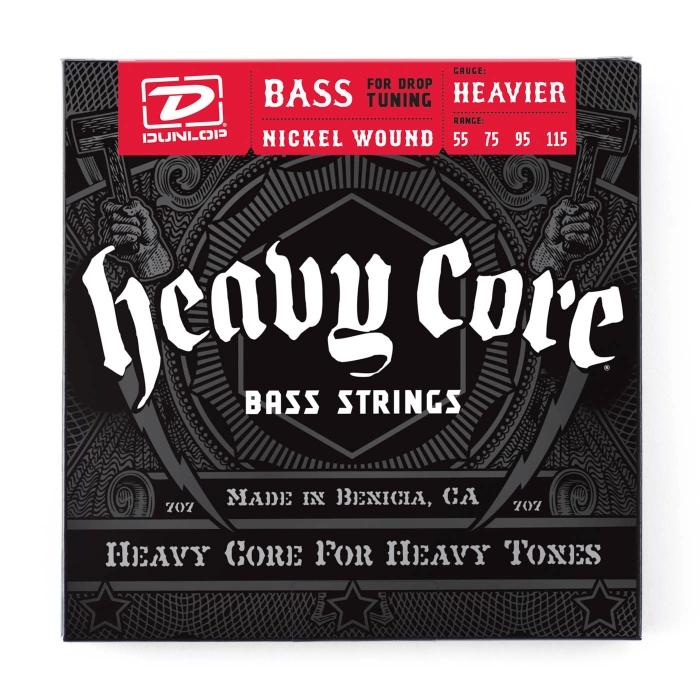
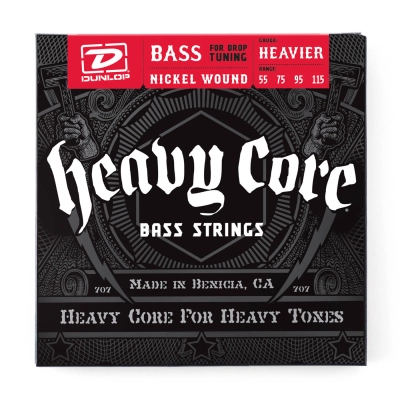
Heavy Gauge: Heavy gauge strings are thicker and require more effort to play, but they produce a fuller, deeper sound with more sustain. They are often preferred by players who want a big, strong tone, especially for genres like metal, hard rock, or for slap bass.
3. Tuning and Scale Length:
-
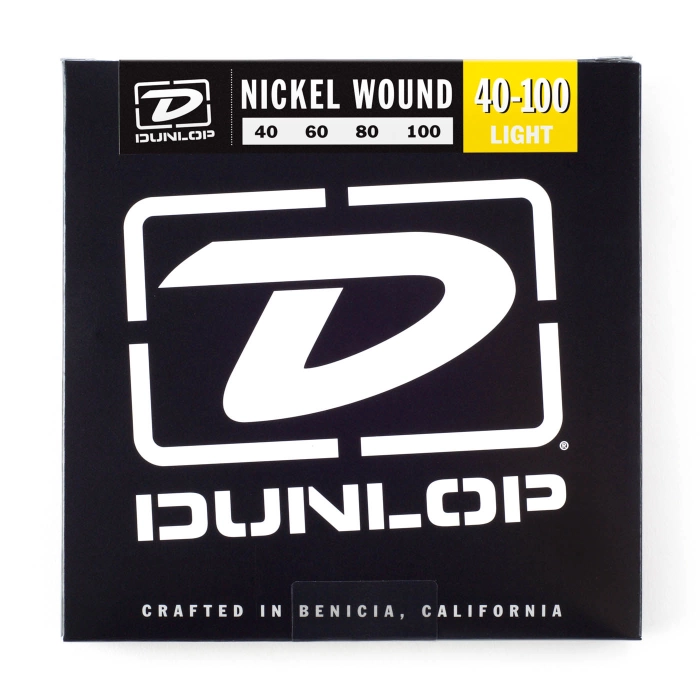
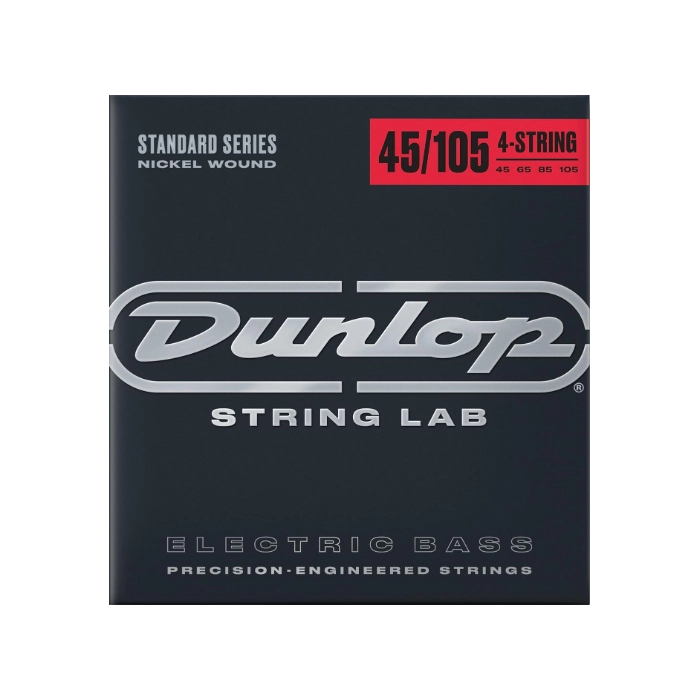
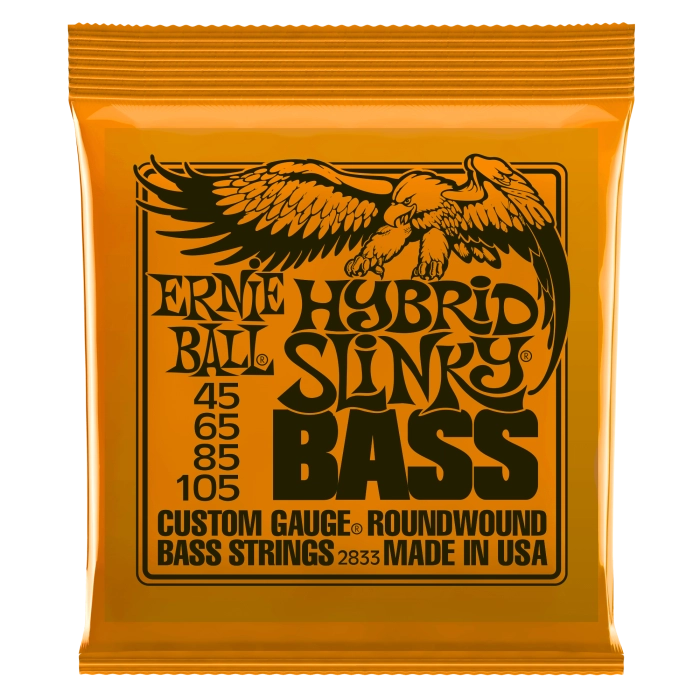
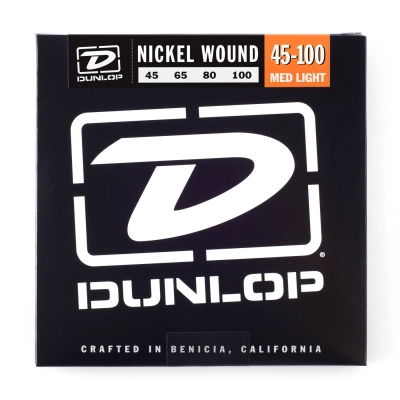
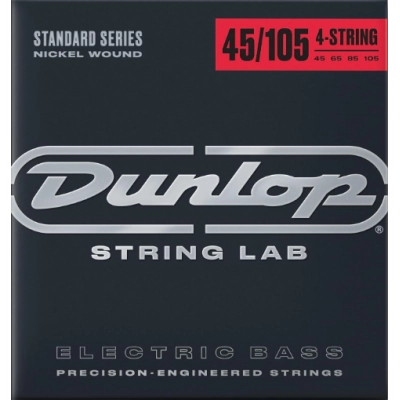
Standard 4-String Bass: Most bass guitars use four strings tuned to E, A, D, and G. A typical set of strings for a 4-string bass will be in the gauge range of 40-100 or 45-105.
-
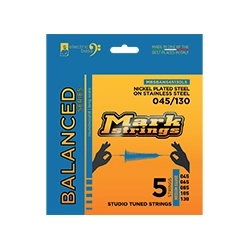
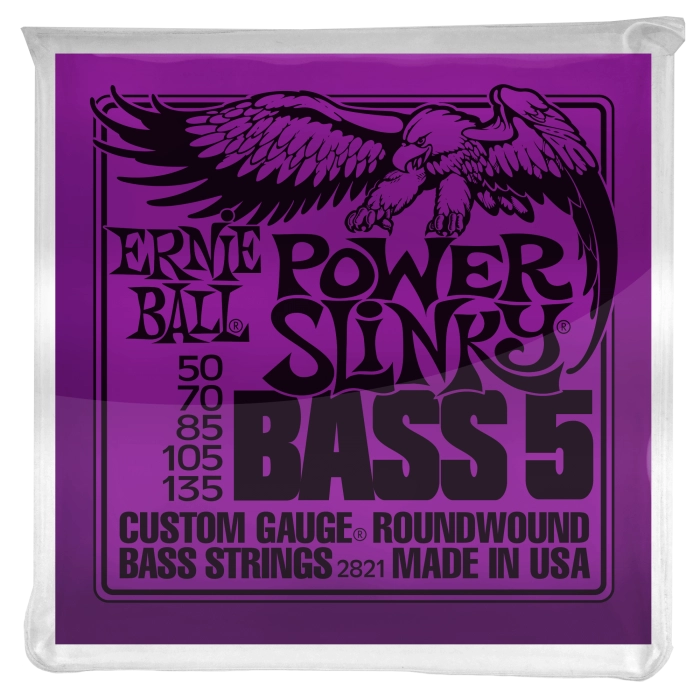
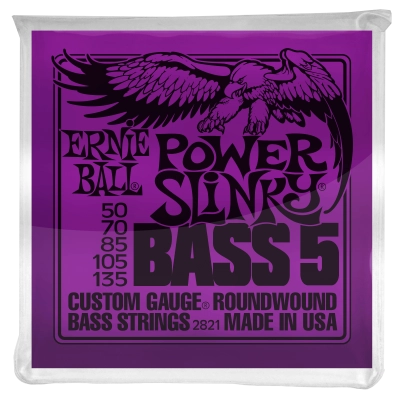
5-String and 6-String Bass: If you’re playing a 5-string or 6-string bass, you’ll need specialized strings that include lower notes (like a low B string) or higher notes. These sets typically come with strings in the range of 45-130 or 50-135, depending on your instrument.
-
Long Scale vs. Short Scale: Bass guitars come in long scale (34” scale length) and short scale (30” scale length). If you have a short scale bass, you’ll need strings that are designed for shorter necks to avoid excess slack.
4. Choosing the Right Bass Strings:
- For beginners, a light to medium gauge string made of nickel-plated steel will be a great choice. These offer a balanced tone and are easier to play.
- For rock or funk, roundwound stainless steel strings provide a punchy, bright tone that cuts through the mix.
- For jazz, flatwound strings are ideal for a smooth, mellow tone.
- For metal, heavier gauge stainless steel or coated strings give a deeper, more aggressive sound.
5. Popular Brands:
Some popular bass string brands include:
- D'Addario: Known for a wide range of bass strings, including nickel, steel, and coated varieties.
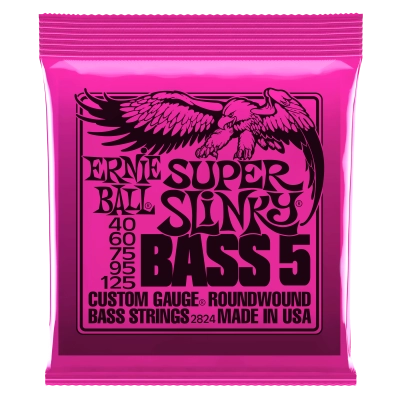
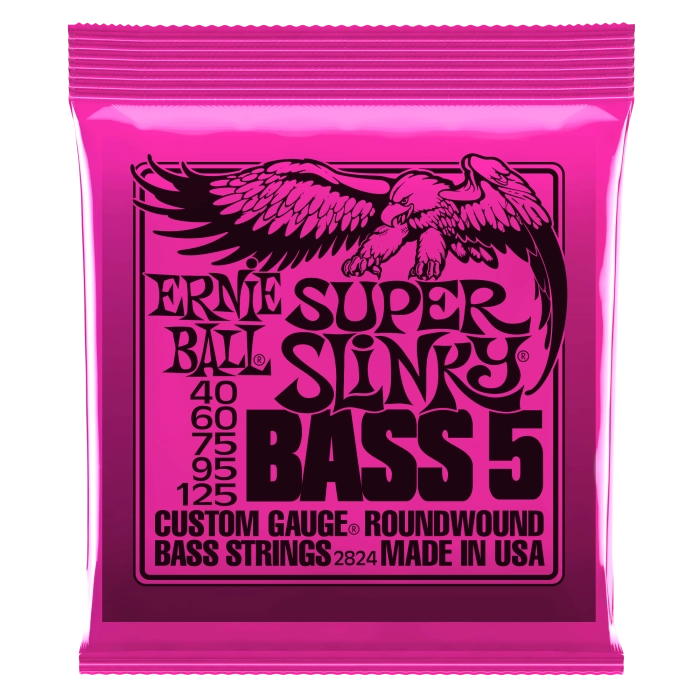
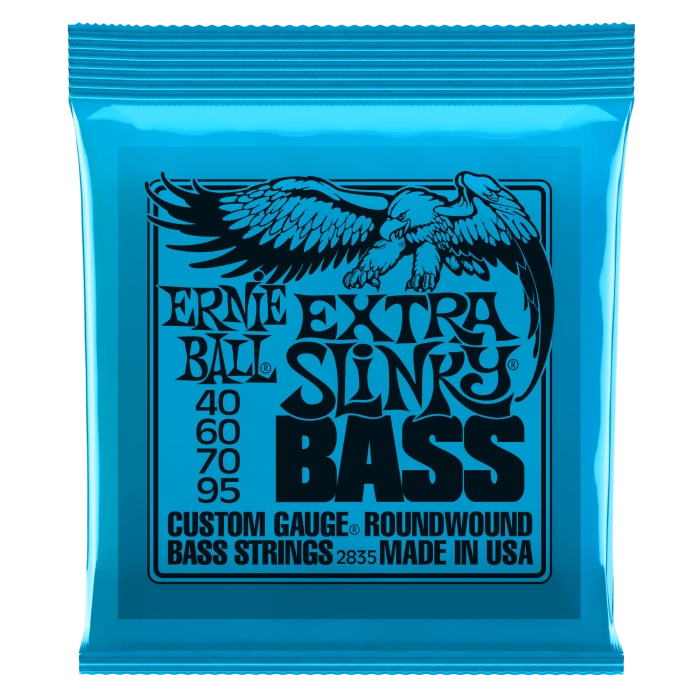
- Ernie Ball: Offers a popular line of roundwound and flatwound bass strings, known for their bright and punchy tones.
- Rotosound: Famous for its roundwound strings, Rotosound has a strong following in rock and metal genres.
- La Bella: Offers classic flatwound bass strings that are highly regarded in the jazz community.
- Fender: Known for their high-quality bass strings, available in various materials and gauges.
- DR Strings: They offer a range of bass strings, from roundwound to flatwound, including coated options.
6. Maintenance:
- Clean Your Strings: Bass strings, especially roundwound, can accumulate dirt and grime quickly, which can affect the tone and feel. Use a cloth to wipe them down after each use.
- String Longevity: Coated strings tend to last longer than uncoated ones. If you play frequently, consider using coated strings or cleaning your strings regularly to extend their life.
- Replacement: Bass strings will eventually lose their tone, especially if you play heavily. It's a good idea to replace them every few months or sooner if you notice a loss in tone quality.
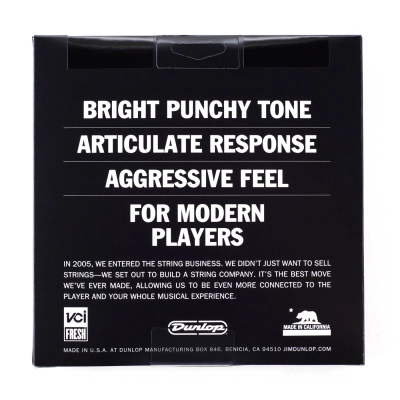
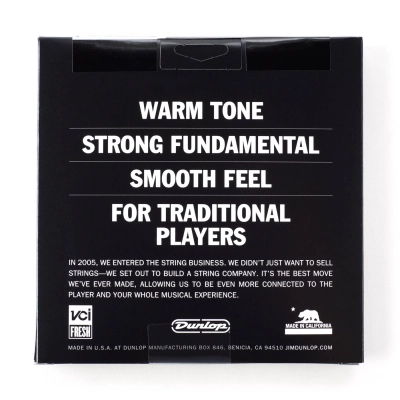
Tamsta is an official Dunlop strings distributor for Lithuania
You can find all the bass guitar strings here
135 products